
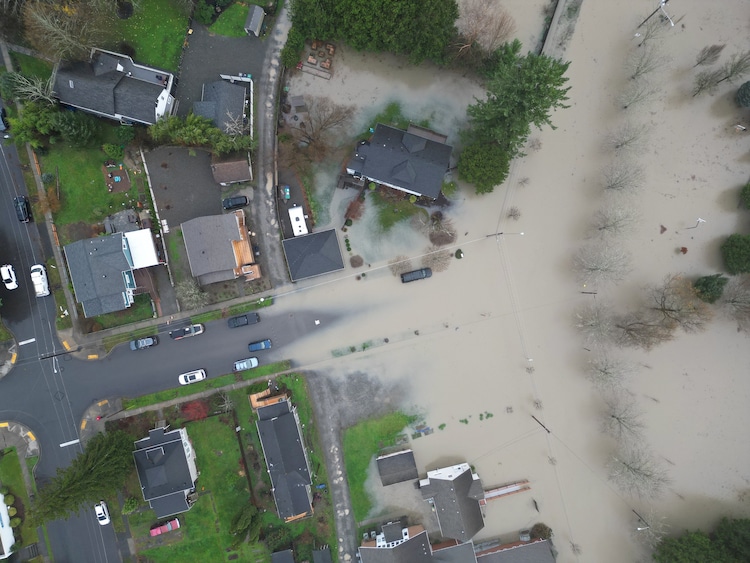
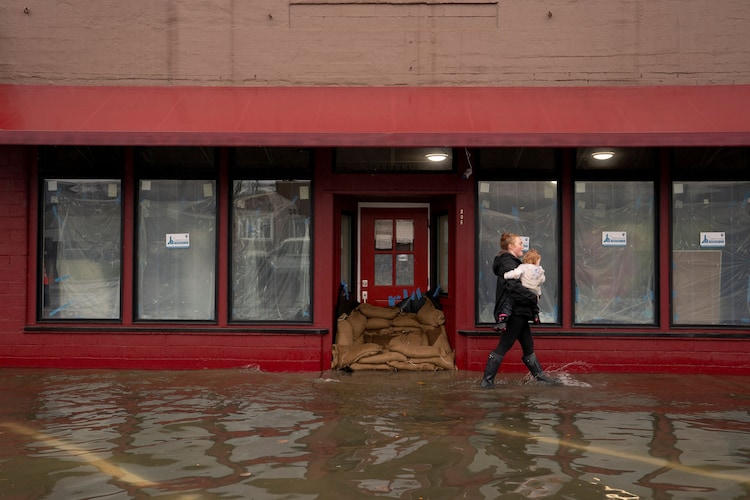
Washington state in the United States is witnessing flooded towns, washed out roads, and emergency evacuations. Rivers and streams are rising fast, with some areas already under flood warnings.
The dire conditions were brought by heavy rains caused by a massive atmospheric river. But, what really is an atmospheric river? And why does it cause such devastation?
RIVER IN THE SKY
An atmospheric river is like a ribbon of water vapour in the sky. It is a long, narrow corridor of moist air carried by jet-stream winds across oceans toward land.
These jets act like highways for moisture.
When conditions are right, especially strong low-level winds and high humidity, the band acts like a conveyor belt transporting enormous amounts of vapour.
As the moist air hits land, especially mountainous coastal zones, it rises, cools and condenses into clouds. And then, naturally, rain or snow follows.
This uplift effect is called an orographic lift, and it is often what turns a harmless cloud of moisture into a potent rainmaker.
BRINGING RAIN AND RISKS
On a global scale, atmospheric rivers are Earth’s largest mechanism for moving freshwater from the tropics to higher latitude regions.
They are crucial also because they supply much of the rain or snow for reservoirs and groundwater recharge, both of which are vital for drinking water, agricultural irrigation, and ecosystems.
But when these sky-rivers are particularly strong, or when they pass over the same region in quick succession, things can go wrong. Heavy, persistent precipitation can saturate soils, overwhelm rivers and drainage systems, and trigger floods or landslides; Washington can attest to that.
In places like Washington, with rugged terrain and mountains, the risk grows even greater. As moist air climbs the slopes, rainfall intensifies, making floods or rock slides more likely.
CLIMATE CHANGE INCREASING RISKS
Scientists warn that atmospheric rivers are changing, and not for the better. With ocean and air temperatures rising, atmospheric rivers are becoming more frequent, wetter and longer than before.
As a result, rainfall, even outside monsoon seasons, can become extreme.
What used to be seasonal rain has started to hit at odd times, with heavier downpours and more frequent flooding. Moreover, these rivers are shifting their patterns globally.
They are changing their traditional paths and reaching latitudes and regions that saw fewer of them earlier.
That means places like Washington, and many coastal or mountainous regions around the world, may see unpredictable, powerful rain events more often.
WASHINGTON LOOKS AHEAD
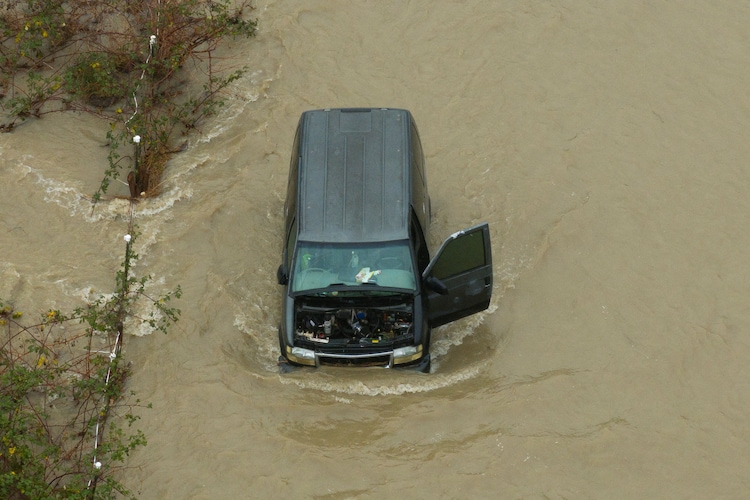
For Washington’s residents, the storm brought by this atmospheric river is more than just rough weather. It’s an urgent water hazard. As rain continues to fall and the ground remains soaked, riverbanks could break, floods may deepen, and landslides may threaten hillsides and communities that reside there.
They have been advised to stay alert, to follow evacuation orders, avoid flooded roads, and prepare for the possibility of extended flooding.
While they prepare for the worse, it has once again become apparent that climate change is worsening and, along with it, so are many natural occurrences.
Following the trend, atmospheric rivers are likely to bring heavier rain more often. Understanding them is no longer optional but essential for building resilience.
– Ends


